Blog
Key Nutrition of sea buckthorn berries
In this article, we are going to discuss the Key Nutrition of sea buckthorn berries.
Sea buckthorn has been used for thousands of years as a natural remedy against various ailments.
It is extracted from the berries, leaves, and seeds of the sea buckthorn plant (Hippophae rhamnoides), a small shrub that grows at high altitudes in the northwest Himalayan region (1Trusted Source).
Sometimes referred to as the sacred fruit of the Himalayas, sea buckthorn can be applied to the skin or ingested.
A popular remedy in Ayurvedic and Traditional Chinese Medicine, it may provide health benefits ranging from supporting your heart to protecting against diabetes, stomach ulcers, and skin damage.
What is the nutritional value of sea buckthorn?
Sea buckthorn is a nutrient-rich fruit that contains high levels of vitamin C, vitamin E, and other antioxidants. It also has minerals like iron, zinc, and selenium which aid in the absorption process for our bodies.
Sea buckthorn is rich in omega-3 and omega-6 fatty acids and has been used traditionally for skin, hair, and eye health. However—as with most so-called superfoods—more research is needed to confirm the full extent of sea buckthorn’s benefits.
Key Nutrition of sea buckthorn berries
- Rare Omega 7
- Essential Fatty Acids Omega 3, 6 and 9
- Rich Source of Antioxidants
- Super Oxide Dismutase
- Vitamin-C
- Vitamin-B Complex
- 5HTP (Hydroxytryptophan)
- Vitamin-A and Carotenoids
- Vitamin-E
- Amino Acids
- Minerals
- Flavonoids
- Polyphenolic Compounds
- Lycopene

What is the Key Nutrition of sea buckthorn berries
Rare Omega 7
Omega-7, also known as palmitoleic acid, is a rare and essential fatty acid found abundantly in sea buckthorn. It has gained popularity in recent years for its numerous health benefits, including:
Omega 7 Beneficial in Weight Management
Scientific studies have shown that Omega 7 prevents calories from being stored as excessive fat by sending signals to the brain. Due to this the body weight stops increasing and helps in reducing weight.
Omega 7 for Healthy Hair, Skin, and Nails
Omega 7 is great for dry skin. It nourishes and moisturizes cracked skin and retains moisture, making skin, nails, and hair healthy and shiny.
Beneficial in gastrointestinal health
Omega 7 helps to lubricate the mucous membrane of the gastrointestinal tract, thereby providing relief from several stomach-related problems such as digestive problems, acidity, and ulcers, which lead to more serious problems like abdominal pain and burning sensation.
Omega 7 for a Healthy Heart
Proper cholesterol levels are essential for heart health and omega-7 is best for maintaining proper cholesterol levels. Omega 7 can lubricate the arteries from the inside and strengthen the walls of the arteries. Like Omega 3, it helps in reducing bad cholesterol (LDL). Actually, Omega 7 helps in reducing bad cholesterol as well as increasing good cholesterol (HDL).
Beneficial in maintaining a normal level of diabetes
Omega 7 helps in reducing glucose levels by improving insulin resistance and proves to be beneficial in diabetes.
Omega 7 for Healthy Eyes
Omega 7 removes dryness of the eyes and maintains moisture in the eyes. Reduce eye fatigue and pain. Eliminate redness and irritation of the eyes.
There is a belief in the world that only fish is a rich source of Omega 3, but contrary to this belief, sea buckthorn juice is a sustainable and rich source of fatty acids Omega 3, 6, 9 as well as the rare Omega 7.

SEABUCKTHORN DRY BERRY
₹299.00100 GMS
SEABUCKTHORN BERRY POWDER
₹295.00100 GMS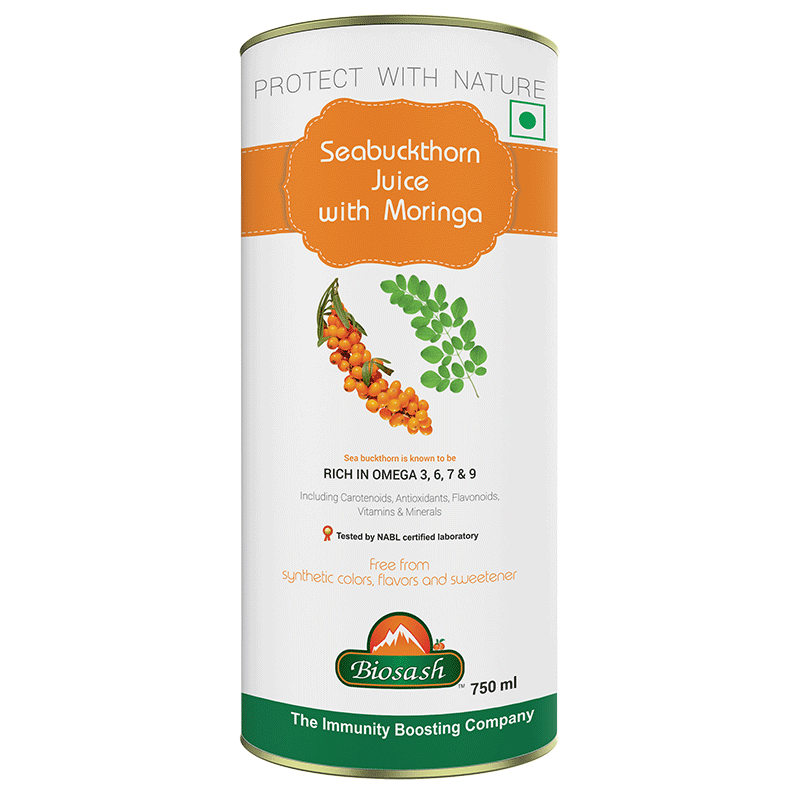
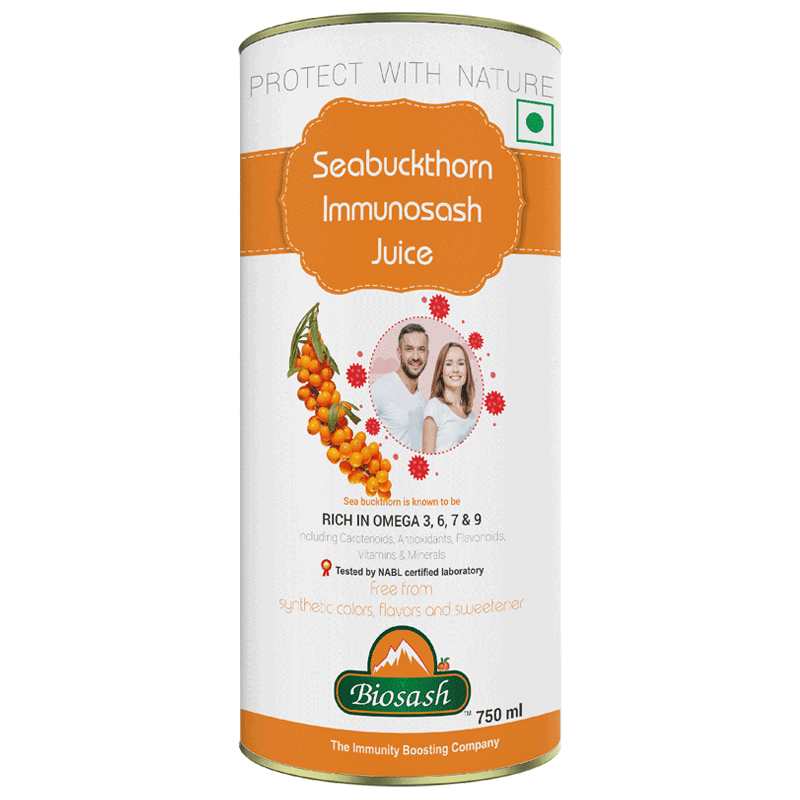
SEA BUCKTHORN IMMUNOSASH JUICE
Original price was: ₹4,640.00.₹3,999.00Current price is: ₹3,999.00.750ML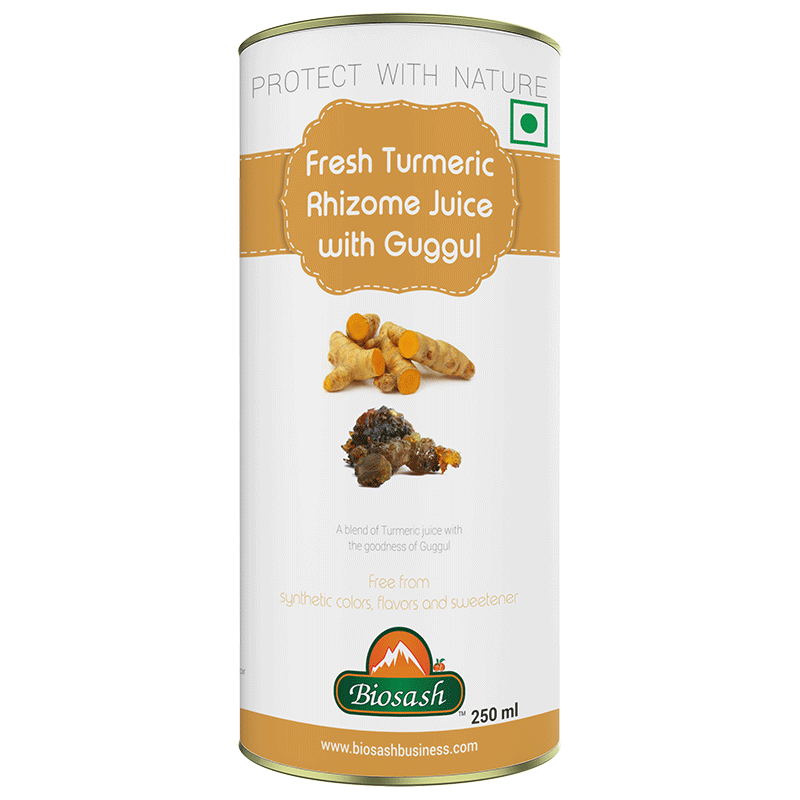
Fresh Turmeric Rhizome Juice with Guggul
Original price was: ₹787.00.₹699.00Current price is: ₹699.00.250ML
SEA BUCKTHORN BURANSH DRINK
₹295.00250ML


SEA BUCKTHORN TRIMFIT JUICE
Original price was: ₹2,250.00.₹1,899.00Current price is: ₹1,899.00.750ML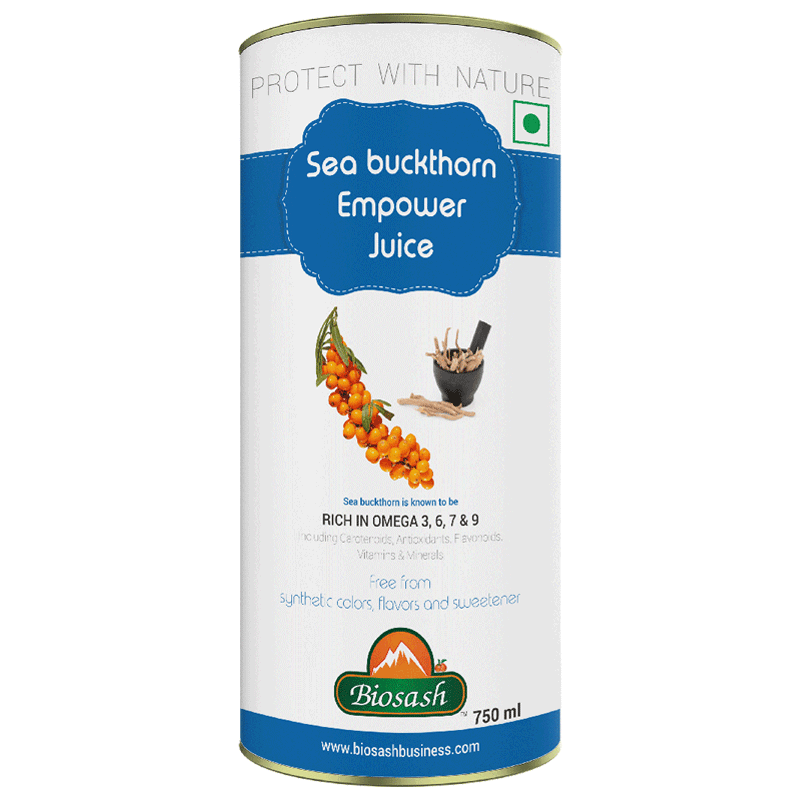

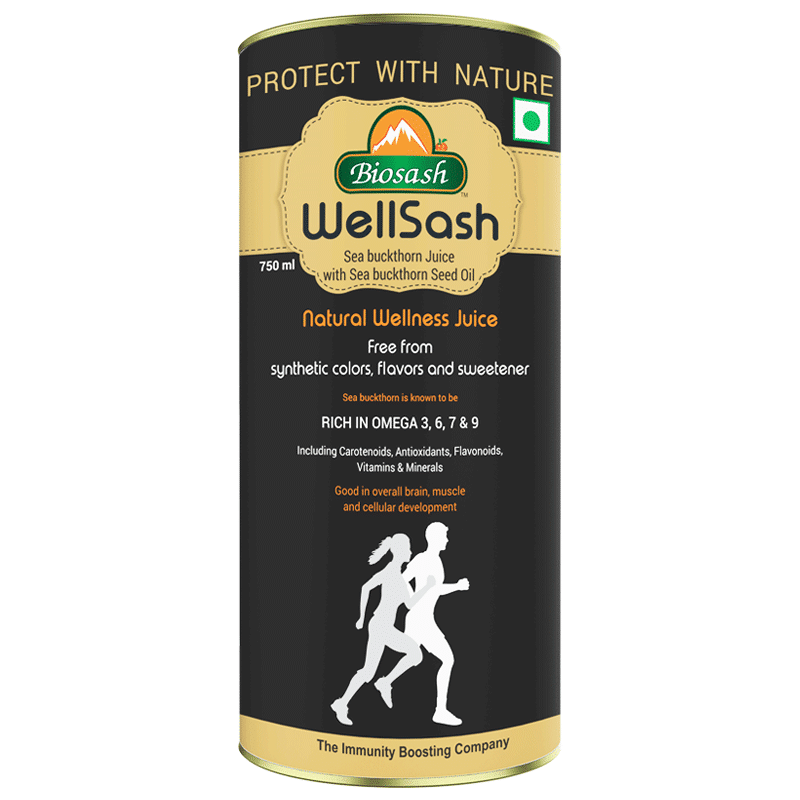
Wellsash Sea buckthorn Juice
Original price was: ₹4,453.00.₹3,799.00Current price is: ₹3,799.00.750ML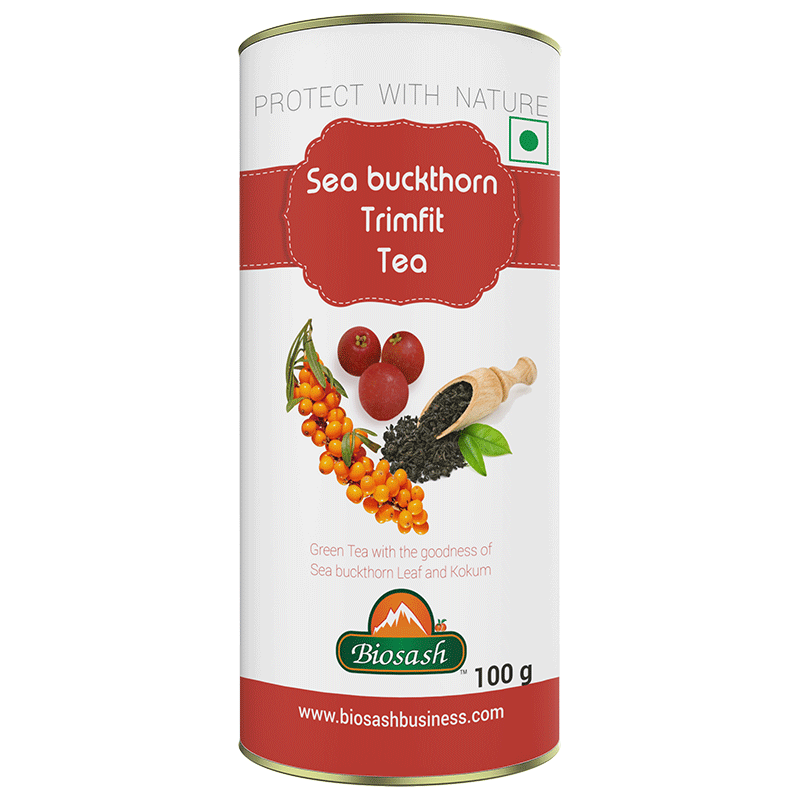
SEA BUCKTHORN TRIMFIT TEA
Original price was: ₹900.00.₹800.00Current price is: ₹800.00.100gm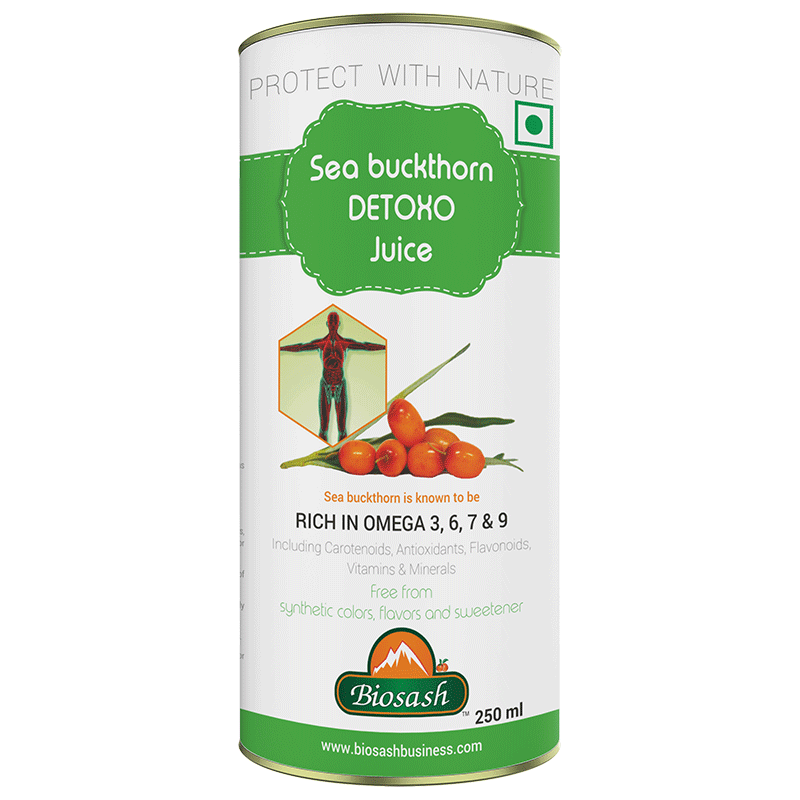
SEA BUCKTHORN DETOXO JUICE
Original price was: ₹1,687.00.₹1,549.00Current price is: ₹1,549.00.250ml
SEA BUCKTHORN GILOYSASH JUICE
Original price was: ₹1,687.00.₹1,549.00Current price is: ₹1,549.00.250ml
SEA BUCKTHORN DIGESTOSASH JUICE
Original price was: ₹1,687.00.₹1,549.00Current price is: ₹1,549.00.250ML
SEA BUCKTHORN MEMORYSASH JUICE
Original price was: ₹1,687.00.₹1,549.00Current price is: ₹1,549.00.250ML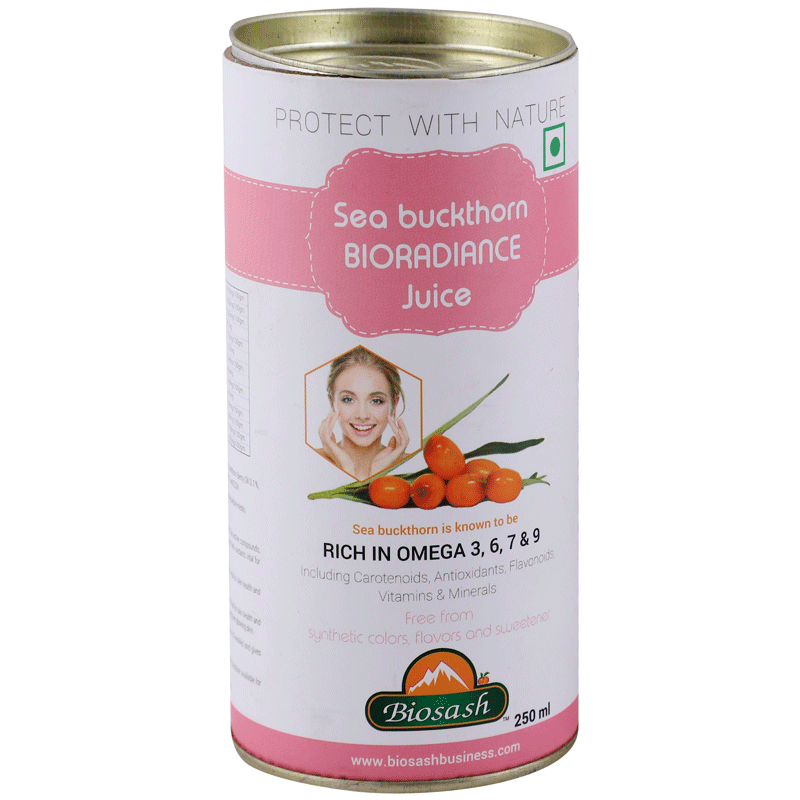
Sea buckthorn Bioradiance Juice
Original price was: ₹1,687.00.₹1,549.00Current price is: ₹1,549.00.250ML
SEA BUCKTHORN FEMSASH JUICE
Original price was: ₹1,687.00.₹1,549.00Current price is: ₹1,549.00.250ML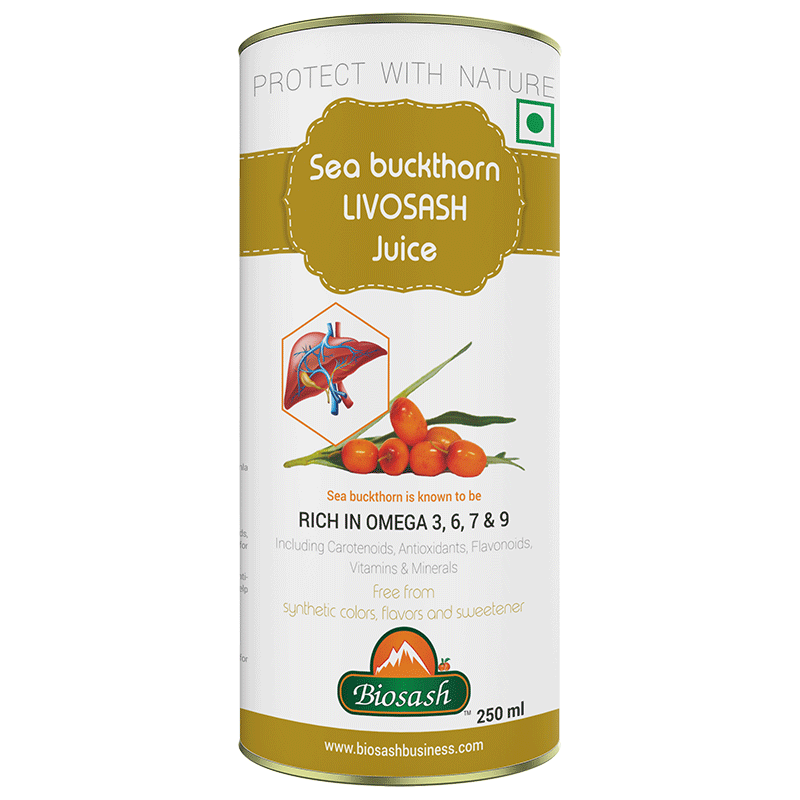
SEA BUCKTHORN LIVOSASH JUICE
Original price was: ₹1,687.00.₹1,549.00Current price is: ₹1,549.00.250MLEssential Fatty Acids Omega 3, 6 and 9
Omega 3, 6, 7, and 9 are naturally in balanced proportion in sea buckthorn, which is directed by many institutes for better health and intake is essential for a healthy body. Hence they are called essential protective nutrients or essential fatty acids.
They have many health benefits such as:
- These help maintain all the tissues, skin, organs, breathing system, blood flow, and brain in the body.
- These help reduce triglycerides.
- These help in reducing cholesterol and LDL for cardiovascular health.
- These boost the immune system.
- These keep joints healthy.
They also help in keeping the cells healthy by strengthening the outer membrane of the cells.
Rich Source of Antioxidants
Seabuckthorn fruits and leaves are rich in antioxidants such as superoxide dismutase enzymes, vitamins C and E, carotenoids, and flavonoids. (Yang and Kallio 2002).
ORAC value (Oxygen Radical Absorbance Capacity) is a way to know the antioxidant capacity of any food. Seabuckthorn has an ORAC value of about 100000 plus.
Why do we need antioxidants?
When our body’s cells use up oxygen, they naturally produce free radicals. Smoking, alcohol consumption, poor digestive system, pollution, sun rays, mobile rays, an unbalanced diet, and stress increase the generation of free radicals. Free radicals cause damage to the cell, which is known as oxidative stress.
It proves to be even more dangerous for our health. Antioxidants neutralize free radicals and protect us from the damage of cellular aging and degeneration. If we do not neutralize free radicals, damage to cells and changes in the genetic properties of cells can be fatal. Antioxidants are needed to avoid such damage.
Superoxide Dismutase
Sea Buckthorn provides 5 times more SOD (Super Oxide Dismutase) than Ginseng
Sea Buckthorn also contains a very good amount of SOD (Super Oxide Dismutase). It is a type of enzyme, which repairs cells and protects cells from a radical called superoxide. SOD acts as a catalyst. It converts superoxide radicals into oxygen and hydrogen peroxide and prevents cell damage.
Vitamin-C
12 times more Vitamin-C than an orange
This Vitamin C in the form of ascorbic acid protects us from chronic diseases like cancer and scurvy. Vitamin C boosts our immune system, lowers high blood pressure, prevents cataracts, and heart disease, maintains skin elasticity, helps in wound healing, and controls asthma symptoms.
Vitamin C has also been shown to be essential for the formation, stability, and maintenance of collagen, the substance that keeps skin plump and youthful.
Although it can be difficult for the skin to absorb vitamin C, it can oxidize very rapidly and requires a high concentration for you to reap the benefits. Sea buckthorn contains the highest concentration of vitamin C in the plant kingdom.
Studies have proven that the amount of vitamin C in seabuckthorn is 4 to 100 times higher than that of many other fruits or vegetables. (Lu Rongsen 2003)
Vitamin-B Complex
Sea buckthorn is the main source of Vitamin-B Complex
Actually Vitamin-B complex is a group of eight B Vitamins, and these are dependent on each other. Every part of the group of vitamin B needs the other parts of vitamin B to provide benefits to the body efficiently. That’s why it is called vitamin-B Complex. Vitamin-B helps to convert food into glucose in the body.
It helps to keep a healthy nervous system, enhance immunity, and produce certain hormones in the body. Vitamin-B12 is the most important B vitamin and it is believed that the only sources of vitamin-B12 are non-veg and dairy food. Scientifically it has been proved that sea buckthorn is also the richest plant source of vitamin B12.
5HTP (Hydroxytryptophan)
Sea buckthorn is the richest source of 5HTP (Hydroxytryptophan)
The important nutrient 5HTP found in sea buckthorn helps increase the level of serotonin in our brains. 5 HTP is a precursor to the neurotransmitter serotonin, popularly known as the “happy molecule”. Serotonin helps to regulate thoughts and behaviour. Serotonin has a positive effect on sleep, mood, anxiety, appetite, and pain sensation.
Vitamin-A and Carotenoids
Sea buckthorn is the richest source of Vitamin-A in the form of carotene. Out of all Carotenoids known in nature 39 carotenoids more than any other have been identified in sea buckthorn. Carotenoids improve metabolic normalization and regenerate the injured tissues. The deficiency of Carotenoids in human foods leads to eye disease.
These have a protective effect on mucous membranes of various body tissue including tissues in the eyes. Mucous membranes are protective and are moisturizers and give lubrication. This reduces inflammation and has shown benefits in treating eye diseases like trachoma, protruding eye goitre, keratitis bubble, eyelid burn, conjunctivitis, etc.
Deficiency of these in human foods leads to poor growth, weak eyesight, decreased intolerance to diseases, and affects the mucus membrane of the gastrointestinal tract. Vitamin-A raises the physical and physiological capacity to work in stressful conditions.
Vitamin-E
Vitamin-E boosts the immune system. It keeps skin and eyes healthy. It protects the skin from wrinkles by keeping the cell membrane healthy. Vitamin-E is extremely beneficial for cardiovascular health.
Amino Acids
SEA BUCKTHORN IS THE SOURCE OF 18 AMINO ACIDS
Protein is most important for our body. Protein is present in every part of our body like hair, nails, skin, muscles, and blood. This is the second most important compound found in our body.
Many amino acids are required to synthesize protein. 21 amino acids are most important to synthesize protein to build muscles in the body. 9 of these amino acids cannot be produced by our body. Essential amino acids have to be obtained from our food, which unfortunately due to poor diet and lifestyle, these amino acids are not found. Most people believe that only eggs contain all the 9 essential amino acids.
However, due to the majority of people being vegetarian, they are deprived of these amino acids. In the plant, Kingdom sea buckthorn contains 18 essential amino acids. That’s why sea buckthorn can be called the source of complete food.
Minerals
There are many minerals available in sea buckthorn such as: – Calcium, Iron, Potassium, Magnesium, Copper, Sodium, and Phosphorus. Minerals help in the physical growth and strengthening of the bones, as well as strengthen the immune system.
Flavonoids
Sea buckthorn is the main source of Flavonoids
Although there are many types of flavonoids in Sea Buckthorn, the four main ones are isorhamnetin, quercetin, myricetin, and kaempferol.
Each of these has powerful benefits for the human body. Flavonoids have been studied extensively and have been found to possess strong anti-viral and antioxidant properties, which allow them to attack free radicals and protect cells from their damaging effects, boost the immune system to protect the body from infection, and help in the process of cell regeneration, leaving the body stronger and healthier than ever before.
Recent research shows that flavonoids may even prevent or greatly reduce the risk of heart disease, cancer, and degenerative diseases (such as Alzheimer’s and dementia) that increase as we age.
Since it increases the strength of the immune system, it helps ease allergies, prevents the occurrence of general illness, and delays aging.
Polyphenolic Compounds
Polyphenolic compounds of Seabuckthorn possess anti-oxidant properties. They inhibit the growth of tumours and exhibit a radioprotective action, which protects our bodies from the side effects of radiation.
Lycopene
Lycopene present in Sea buckthorn is considered to keep prostate and colon cells healthy.
I hope you have liked my article about the Key Nutrition of sea buckthorn. If you liked this post about the Key Nutrition of sea buckthorn, then please share this post on social networks such as Facebook, Twitter, and other social media sites.
Also Read: Best weight loss products Exipure Reviews