


In this article, we are going to discuss what is Sea Buckthorn. The name of sea buckthorn berry sounds like a sea creature or a coral. It is a plant that has been used for centuries for medicinal purposes as well as for natural skincare.
What is Sea buckthorn?
Heaven’s Fruit, the wonder berry from the Himalayas- wild sea buckthorn is known as nature’s most balanced fruit. Sea buckthorn thrives in the harsh conditions and high altitudes of the Himalayas.
Sea buckthorn is a very beautiful, golden, and orange berry; the roots of sea buckthorn bushes go down 200 feet deep into the ground, to gather nutrition for survival in the harsh climate of the Himalayas. The leaves, flowers, seeds, and berries of seaberries are used in tea, Seabuckthorn oil, or used for various health issues. Learn more about the key nutrition of Sea buckthorn berries.
History of Sea buckthorn
According to scientific studies, all the medicinal properties of sea buckthorn berry are similar to the mythical Sanjeevani Booti used to revive Lakshman Ji, the younger brother of Lord Shri Rama. That is why it is also called Sanjeevani Booti.
Mongolian emperor Genghis Khan was the great emperor of the 13th century. He believed in his three powers – a well-organized army, strong discipline, and sea buckthorn. Genghis Khan regularly gave sea buckthorn to his soldiers and their horses to increase their strength and stamina.
The sea buckthorn is known by its Greek name, “Hippophae rhamnoides“, which means “shiny horse”. The Greeks used to give sea buckthorn to their breed horses and war horses for better health and lustrous hair.
Sea buckthorn’s nutritional and health benefits have been mentioned for centuries in the medicinal books of Europe and Asia. The 18th-century ancient Tibetan medical book “Sibu Yidian” describes sea buckthorn’s health benefits and nutritional compounds in its 30 pages.
Sea buckthorn is a staple of the diet of the Chinese Olympics. At the 2008 Olympics in Beijing, sea buckthorn berry was the “national drink”.
There are over 120 scientific research studies on sea buckthorn berries for their many health benefits. There is an extensive body of research on seabuckthorn from around the world. Clinical trials have established that it is a beautiful berry and superfruit of the century.
If you are looking for the best Sea Buckthorn Supplements in India, try Biosash Products.
Can you get sea buckthorn naturally from foods?
Sea buckthorn juice can be found in certain jellies, juices, purees, sauces, drinks, and liquors. People do not usually eat the berries raw because they are acidic. The amount of sea buckthorn used in food is typically much less than that used for medicinal purposes.
However, Biosash is the only company in India that manufactures pure sea buckthorn products, which are also pure vegetarian products.
Health Benefits Of Sea Buckthorn
- Immunity
- Anti-Aging and Rejuvenation
- Healthy Skin, Hair, and Nails
- Sea Buckthorn for Skin Care
- Healthy Liver
- Healthy Cardiovascular System
- Sea Buckthorn for weight Loss
- Healthy Eyes
- Neutralizes Free Radicals
- Mental Health
- Wound Healing
- Thyroid
- Gastrointestinal Health
- Protection from Radiation
- Antiviral Activities
- Helps in Stress Tolerance
- Anti Cancer
sea buckthorn berry is full of nutrients for wellness and understanding all the benefits of sea buckthorn can be life-changing. This little berry is full of vitamins C, E and A, Omegas 3, 6, 9, and the rare Omega 7.
These nutrients support heart and skin health, sea buckthorn immunity boosters, digestion, and even brain function. Studies have shown that eating sea buckthorn regularly can reduce inflammation. It can also boost metabolism and provide you with antioxidant protection. It’s a superfood to add to your daily diet.
Biosash takes pride in providing natural Sea Buckthorn products like:

SEABUCKTHORN DRY BERRY
₹299.00100 GMS
SEABUCKTHORN BERRY POWDER
₹295.00100 GMS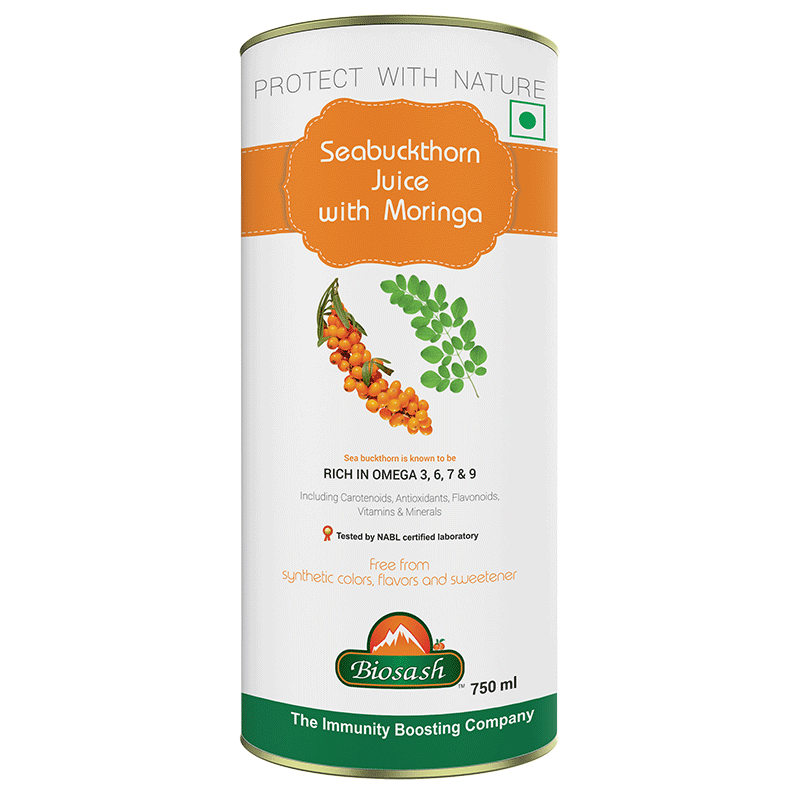
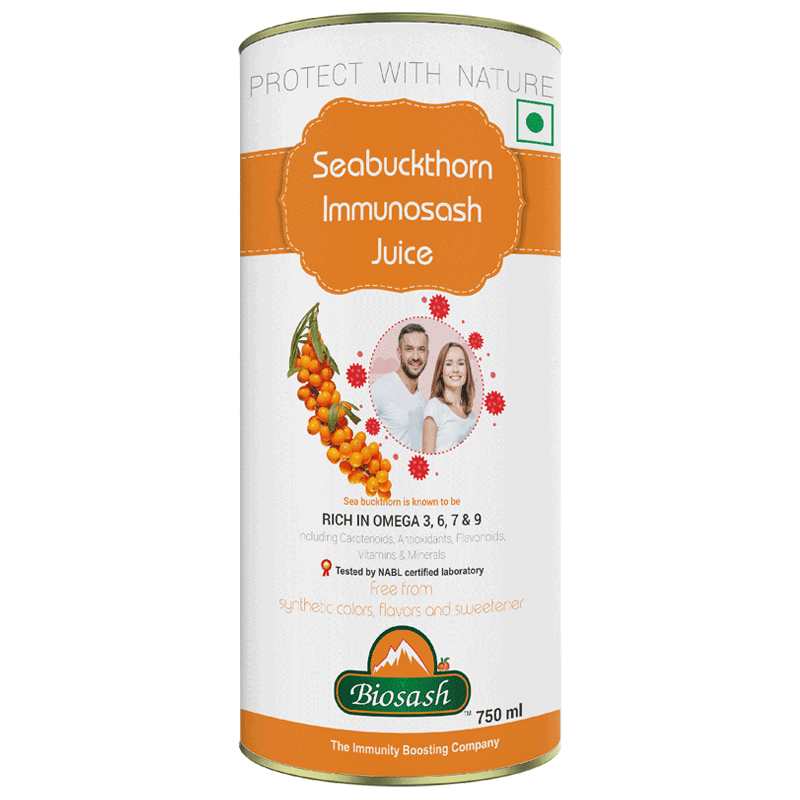
SEA BUCKTHORN IMMUNOSASH JUICE
Original price was: ₹4,640.00.₹3,999.00Current price is: ₹3,999.00.750ML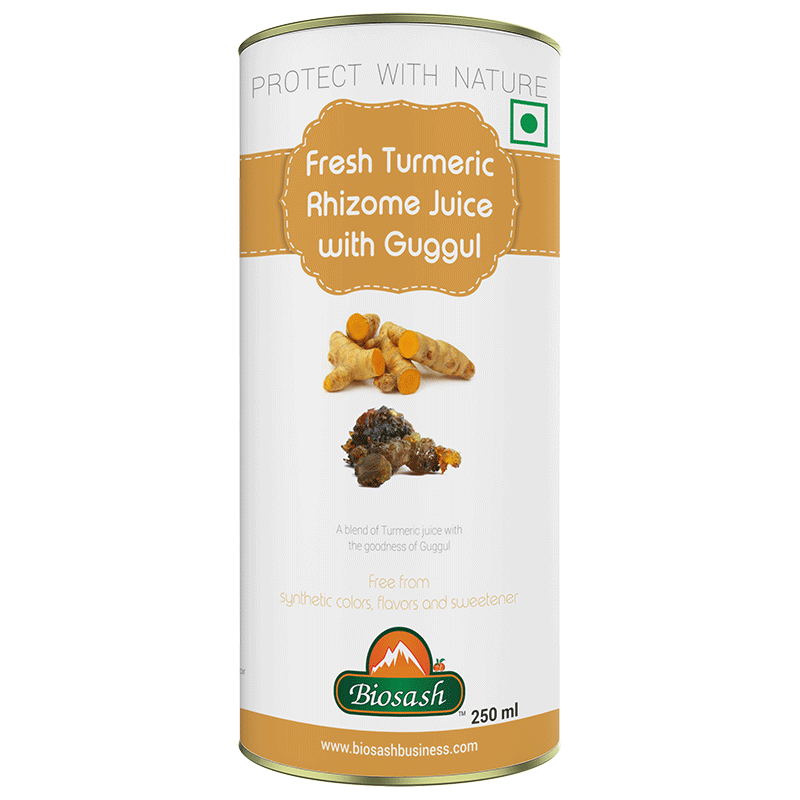
Fresh Turmeric Rhizome Juice with Guggul
Original price was: ₹787.00.₹699.00Current price is: ₹699.00.250ML
SEA BUCKTHORN BURANSH DRINK
₹295.00250ML


SEA BUCKTHORN TRIMFIT JUICE
Original price was: ₹2,250.00.₹1,899.00Current price is: ₹1,899.00.750ML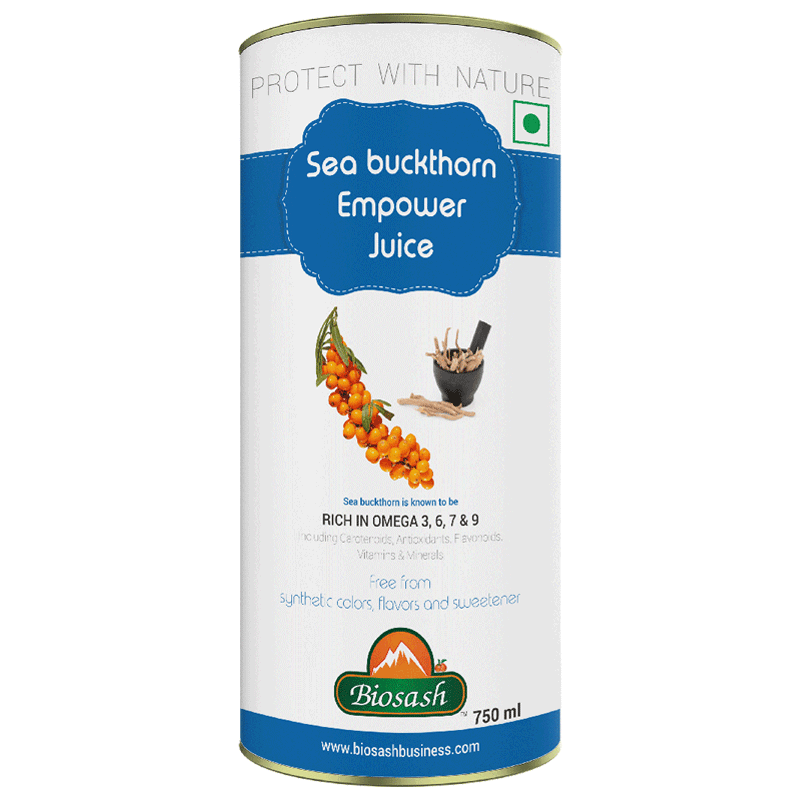

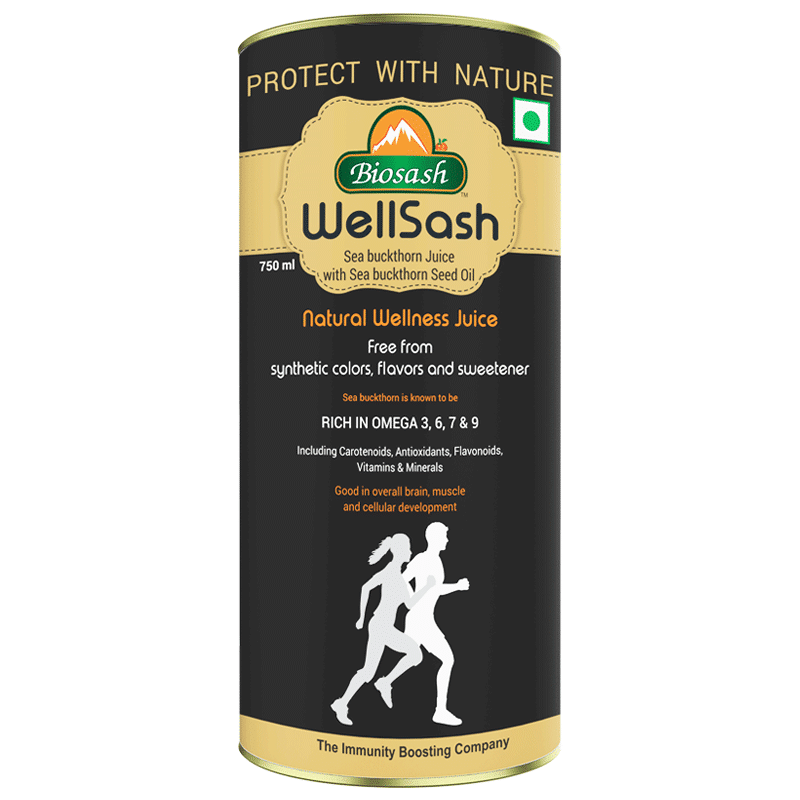
Wellsash Sea buckthorn Juice
Original price was: ₹4,453.00.₹3,799.00Current price is: ₹3,799.00.750ML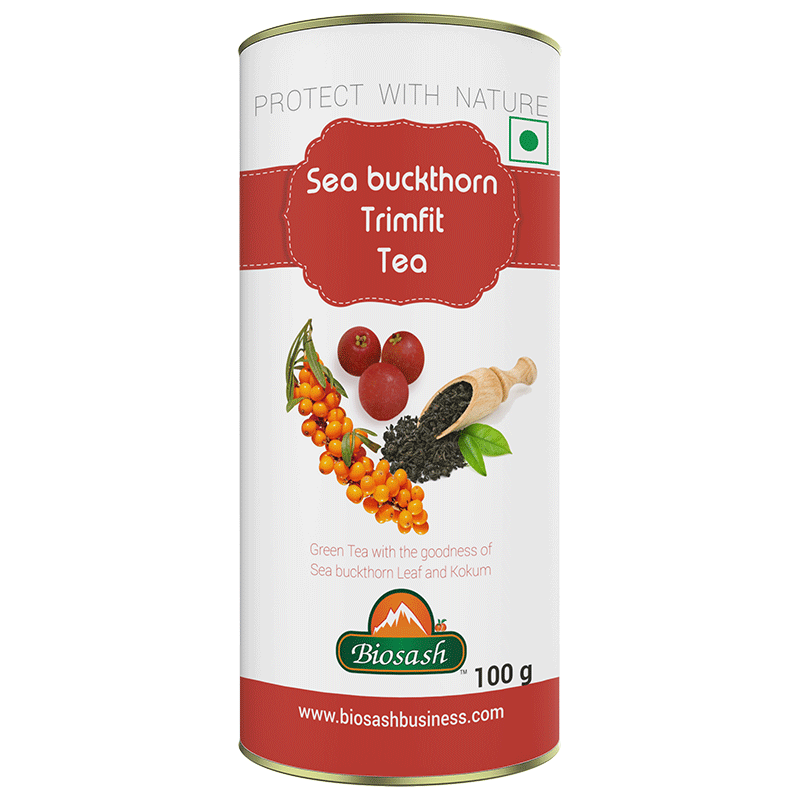
SEA BUCKTHORN TRIMFIT TEA
Original price was: ₹900.00.₹800.00Current price is: ₹800.00.100gm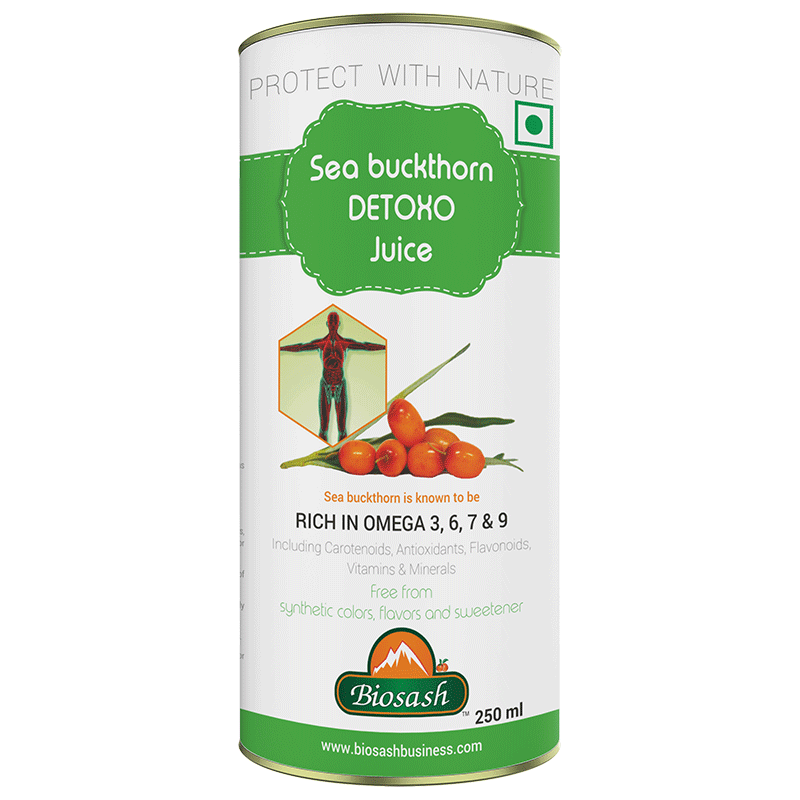
SEA BUCKTHORN DETOXO JUICE
Original price was: ₹1,687.00.₹1,549.00Current price is: ₹1,549.00.250ml
SEA BUCKTHORN GILOYSASH JUICE
Original price was: ₹1,687.00.₹1,549.00Current price is: ₹1,549.00.250ml
SEA BUCKTHORN DIGESTOSASH JUICE
Original price was: ₹1,687.00.₹1,549.00Current price is: ₹1,549.00.250ML
SEA BUCKTHORN MEMORYSASH JUICE
Original price was: ₹1,687.00.₹1,549.00Current price is: ₹1,549.00.250ML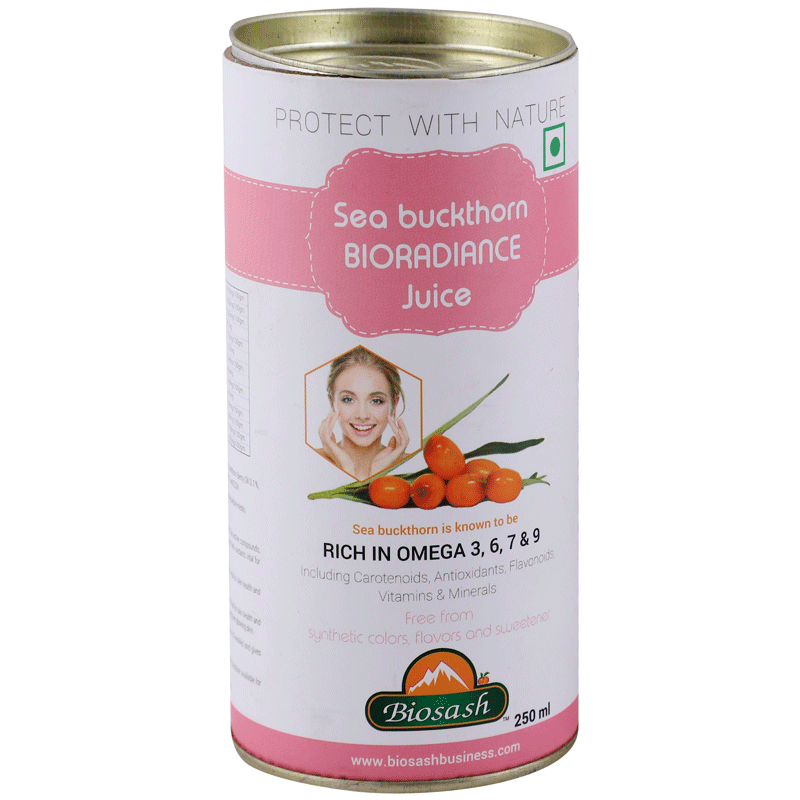
Sea buckthorn Bioradiance Juice
Original price was: ₹1,687.00.₹1,549.00Current price is: ₹1,549.00.250ML
SEA BUCKTHORN FEMSASH JUICE
Original price was: ₹1,687.00.₹1,549.00Current price is: ₹1,549.00.250ML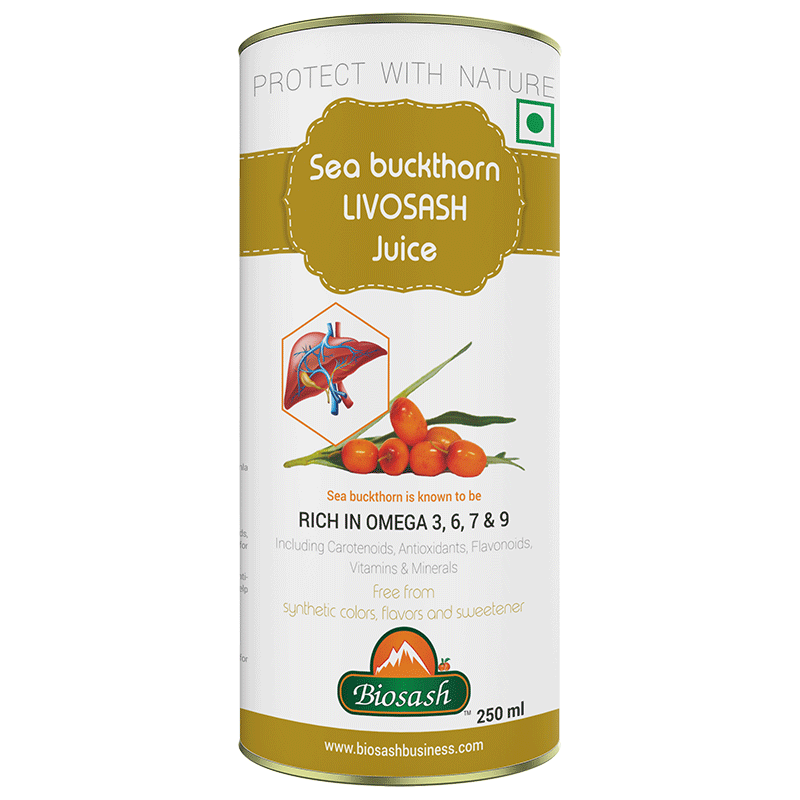
SEA BUCKTHORN LIVOSASH JUICE
Original price was: ₹1,687.00.₹1,549.00Current price is: ₹1,549.00.250MLSome Clinical Research References on Sea Buckthorn
- Chronic administration of palmitoleic acid reduces insulin resistance and hepatic lipid accumulation in KK-Ay mice and genetic type 2 diabetes. Yang, et al., Lipids in Health and Disease, 2011, 10:120.
- Beneficial effects of palmitoleic acid (Omega-7) on components of The Metabolic Syndrome, with particular emphasis on improvements in insulin sensitivity. Green, J. Tersus Pharmaceuticals, 2012.
- Identification of a lipokine, a lipid hormone linking adipose tissue to systemic metabolism. Cao, et al., 2008, Cell 134: 933-944.
- Trans-Palmitoleic Acid, Metabolic Risk Factors, and New-Onset Diabetes in U.S. Adults. Mozaffarian, D. et al., Annals Intr Med, 2010, Vol. 153, no. 12.
- Effect of dietary supplementation with sea buckthorn seed and pulp oils on the fatty composition of skin glycerophospholipids of patients with Atopic Dermatitis. Yang, B, et al., 2000, Jour Nutr BioChem, Vol. 11, 338-340.
- Anti-inflammatory activity of sea buckthorn (Hippophae rhamnoides) leaves. Ganju, L et al., 2005, Intr Immunopharm, Vol. 5, 1675-1684.
- Composition and physiological effects of sea buckthorn (Hippophae) lipids. Yang, B, et al., 2002, Trends Food Science Tech, Vol. 13, 160-167.
- Agrawala P. K., Goel H. (2002). Protective effect of RH-3 with special reference to radiation induced micronuclei in mouse bone marrow. Indian J. Exp. Biol. 40, 525–530. [PubMed]
- Bagchi D., Preuss H. G. (2004). Phytopharmaceuticals in Cancer Chemoprevention, 1st Edn. Bocca Raton, FL: CRC Press.
- Bagchi D., Swaroop A., Preuss H., Bagchi M. (2014). Free radical scavenging, antioxidant and cancer chemoprevention by grape seed proanthocyanidin: an overview. Mutat. Res. 768, 69–73. 10.1016/j.mrfmmm.2014.04.004 [PubMed] [Cross Ref]
- Barrett J. C. (1993). Mechanisms of multistep carcinogenesis and carcinogen risk assessment. Environ. Health Perspect. 100, 9–20. 10.1289/ehp.931009 [PMC free article] [PubMed] [Cross Ref]
- Basu M., Prasad R., Jayamurthy P., Pal K., Arumughan C., Sawhney R. C. (2007). Anti-atherogenic effects of seabuckthorn (Hippophaea rhamnoides) seed oil, Phytomedicine 14, 770–777. 10.1016/j.phymed.2007.03.018 [PubMed] [Cross Ref]
- Boivin D., Blanchette M., Barrette S., Moghrabi A., Beliveau R. (2007). Inhibition of cancer cell proliferation and suppression of TNF-induced activation of NFκB by edible berry juice. Anticancer Res. 27, 937–948. [PubMed]
- Cetin A., Kaynar L., Kocyigit I., Hacioglu S., Saraymen R., Ozturk A., et al. . (2008). The effect of grape seed extract on radiation-induced oxidative stress in the rat liver. Turk. J. Gastroenterol. 19, 92–98. [PubMed]
- Chen L., Xin X., Yuan Q., Su D., Liu W. (2014). Phytochemical properties and antioxidant capacities of various colored berries. J. Sci. Food Agric. 94, 180–188. 10.1002/jsfa.6216 [PubMed] [Cross Ref]
- Christaki E. (2012). Hippophae rhamnoides L. (Sea Buckthorn): a potential source of nutraceuticals. Food Pub. Health 2, 69–72. 10.5923/j.fph.20120203.02 [Cross Ref]
- Dulf F. V. (2012). Fatty acids in berry lipids of six sea buckthorn (Hippophae rhamnoides L. subspecies carpatica) cultivars grown in Romania. Chem. Cent. J. 6, 1–12. 10.1186/1752-153X-6-106 [PMC free article] [PubMed] [Cross Ref]
- Duthie S., Jenkinson A., Crozier A., Mullen W., Pirie L., Kyle J., et al. (2006). The effects of cranberry juice consumptions on antioxidant status and biomarkers relating to heart disease and cancer in healthy human volunteers. Eur. J. Nutr. 45, 113–122. 10.1007/s00394-005-0572-9 [PubMed] [Cross Ref]
- Fatima T., Snyder C., Schroeder W., Cram D., Datla R., Wishart D., et al. . (2012). Fatty acid composition of developing sea buckthorn (Hippophae rhamnoides L.) berry and the transcriptome of the mature seed. PLoS ONE 7:e34099. 10.1371/journal.pone.0034099 [PMC free article] [PubMed] [Cross Ref]
- Frohne D. (2010). Leksykon Roślin Leczniczych MedPharm. Wroclaw, 276.
Gao X., Ohlander M., Jeppsson N., Bjork L., Trajkovski V. (2000). Changes in antioxidant effects and their relationship to phytonutrients in fruits of sea buckthorn (Hippophae rhamnoides L.) during maturation, J. Agric. Food Chem. 48, 1485–1490. 10.1021/jf991072g [PubMed] [Cross Ref] - Giampieri F., Alvarez-Suarez J., Gasparrini M., Forbes-Hernandez T., Afrin S., Bompadre S., et al. . (2016). Strawberry consumption alleviates doxorubicin-induced toxicity by suppressing oxidative stress. Food Chem. Toxicol. 94, 128–127. 10.1016/j.fct.2016.06.003 [PubMed] [Cross Ref]
- Goel H. C., Gupta D., Gupta S., Garg A. P., Bala M. (2005). Protection of mitochondrial system by Hippophae rhamnoides L. against radiation-induced oxidative damage in mice. J. Pharm. Pharmacol. 57, 135–143. 10.1211/0022357055218 [PubMed] [Cross Ref]
- Goel H. C., Indraghanti P., Samanta N., Ranaz S. V. (2004). Induction of apoptosis in thymocytes by Hippophae rhamnoides: implications in radioprotection. J. Environ. Pathol. Toxicol. Oncol. 23, 123–137. 10.1615/JEnvPathToxOncol.v23.i2.50 [PubMed] [Cross Ref]
- Goel H. C., Kumar I. P., Samanta N., Rana S. V. (2003a). Induction of DNA-protein cross-links by Hippophae rhamnoides: implications in radioprotection and cytotoxicity. Mol. Cell Biochem. 245, 57–67. 10.1023/A:1022809625826 [PubMed] [Cross Ref]
- Goel H. C., Prasad J., Singh S., Sagar R. K., Kumar I. P., Sinha A. K. (2002). Radioprotection by a herbal preparation of Hippophae rhamnoides, RH-3, against whole body lethal irradiation in mice. Phytomedicine 9, 15–25. 10.1078/0944-7113-00077 [PubMed] [Cross Ref]
- Goel H. C., Salin C., Prakash H. (2003b). Protection of jejunal crypts by RH-3 (a preparation of Hippophae rhamnoides) against lethal whole body gamma irradiation. Phytother Res. 17, 222–226. 10.1002/ptr.1109 [PubMed] [Cross Ref]
- Gradt I., Kuhn S., Morsel J., Zvaigzne G. (2017). Chemical composition of sea buckthorn leaves, branches and bark. Proc. Natl. Acad. Sci. U.S.A. 3, 211–216. 10.1515/prolas-2017-0035 [Cross Ref]
- Grey C., Widen C., Adlercreutz P., Rumpunen K., Duan R. (2010). Antiproliferative effects of sea buckthorn (Hippophae rhamnoides L.) extracts on human colon and liver cancer cell lines. Food Chem. 120, 1004–1010. 10.1016/j.foodchem.2009.11.039 [Cross Ref]
- Guo R., Guo X., Li T., Fu X., Liu R. (2017). Comparative assessment of phytochemical profiles, antioxidant and antiproliferative activities of Sea buckthorn (Hippophae rhamnoides L.). Food Chem. 221, 997–1003. 10.1016/j.foodchem.2016.11.063 [PubMed] [Cross Ref]
- Hu S. (2005). Hippophae rhamnoides L. – Sea buckthorn, shaji, in Food Plants of China (The Chinese University Press: ), 572.
- Kim S., Hwang E., Yi S., Song K., Lee H., Heo T., et al. . (2017). Sea buckthorn leaf extracts inhibits glioma cell growth by reducing reactive oxygen species and promoting apoptosis. Appl. Biochem. Biotechnol. 182, 1663–1674. 10.1007/s12010-017-2425-4 [PubMed] [Cross Ref]
- Ko J. H., Sethi G., Um J. Y., Shanmugam M. K., Arfuso F., Kumar A., et al. . (2017). The role of resveratrol in cancer therapy. J. Mol. Sci. 18:2589. 10.3390/ijms18122589 [PMC free article] [PubMed] [Cross Ref]
- Kristo A., Klimis-Zacas D., Sikaliidis A. (2016). Protective role of dietary berries in cancer, Antioxidants 5:37. 10.3390/antiox5040037 [PMC free article] [PubMed] [Cross Ref]
- Kumar I. P., Namita S., Goel H. C. (2002). Modulation of chromatin organization by RH-3, a preparation of Hippophae rhamnoides, a possible role in radioprotection. Mol. Cell. Biochem. 238, 1–9. 10.1023/A:1019905211392 [PubMed] [Cross Ref]
- Kumar R., Kumar G. P., Chaurasia O. P., Singh S. (2011). Phytochemical and pharmacological profile of seabuckthorn oil: a review. Res. J. Med. Plant 5, 491–499. 10.3923/rjmp.2011.491.499 [Cross Ref]
- Li C. H., Yang X., Chen C. H., Cai S., Hu J. (2014). Isorhamnetin suppresses colon cancer cell growth through the PI3K-Akt-mTOR pathway. Mol. Med. Rep. 9, 935–940. 10.3892/mmr.2014.1886 [PubMed] [Cross Ref]
- Li Q., Ren F., Yang C., Zhou L., Liu Y., Xiao J., et al. . (2015). Anti-proliferation effects of isorhamnetin on lung cancer cells in vitro and in vivo. Asian Pac. J. Cancer Prev. 16, 3035–3042. 10.7314/APJCP.2015.16.7.3035 [PubMed] [Cross Ref]
- Li Y., Hu C. (2015). Hippophae rhamnoides L. (Shaji, Common Sea-buckthorn), in Dietary Chinese Herbs: Chemistry, Pharmacology and Clinical Evidence, eds Liu Y., Wang Z., Zhang J., editors. (Vienna: Springer Science and Business Media; ), 411.
- Malinowska P., Olas B. (2016). Sea buckthorn – valuable plant for health. Kosmos 2, 285–292. 10.1186/s12944-017-0469-7 [Cross Ref]
- McDougall G., Ross H., Ikeji M., Stewart D. (2008). Berry extracts exert different antiproliferative effects against cervical and colon cancer cells grown in vitro. J. Agric. Food Chem. 56, 3016–3023. 10.1021/jf073469n [PubMed] [Cross Ref]
- Nersesyan A., Muradyan R. (2004). Sea-buckthorn juice protects mice against genotoxic action of cisplastin. Exp. Oncol. 26, 153–155. [PubMed]
- Olas B. (2016). Sea buckthorn as a source of important bioactive compounds in cardiovascular diseases. Food Chem. Toxicol. 97, 199–204. 10.1016/j.fct.2016.09.008 [PubMed] [Cross Ref]
- Olas B. (2018). The composition and beneficial health aspects of sea buckthorn (Hippophae rhamnoides L.) oil. J. Ethnopharm. 213, 183–190. 10.1016/j.jep.2017.11.022 [PubMed] [Cross Ref]
- Olsson M., Gustavsson K., Andersson S., Nilsson A., Duan R. (2004). Inhibition of cancer cell proliferation in vitro by fruit and berry extracts and correlations with antioxidant levels. J. Agric. Food Chem. 52, 7264–7271. 10.1021/jf030479p [PubMed] [Cross Ref]
- Padmavathi B., Upreti M., Singh V., Rao A. R., Singh R. P., Rath P. C. (2005). Chemoprevention by Hippophae rhamnoides: effects on tumorigenesis, phase II and antioxidant enzymes, and IRF-1 transcription factor. Nutr. Cancer 51, 59–67. 10.1207/s15327914nc5101_9 [PubMed] [Cross Ref]
- Prakash H., Bala M., Ali A., Goel H. C. (2005). Modification of gamma radiation induced response of peritoneal macrophages and splenocytes by Hippophae rhamnoides (RH-3) in mice. J. Pharm. Pharmacol. 57, 1065–1072. 10.1211/0022357056668 [PubMed] [Cross Ref]
- Sajfratova M., Lickova I., Wimmerova M., Sovova H., Wimmer Z. (2010). β-Sitosterol: supercritical carbon dioxide extraction from sea buckthorn (Hippophae rhamnoides L.) seeds. Int. J. Mol. Sci. 11, 1842–1850. 10.3390/ijms11041842 [PMC free article] [PubMed] [Cross Ref]
- Sarwa A. (2001). Wielki Leksykon Roślin Leczniczych. Warszawa: Książka i Wiedza.
- Seeram N. (2008). Berry fruits: compositional elements, biochemical activities, and the impact of their intake on human health, performance, and disease. J. Agric. Food Chem. 56, 627–629. 10.1021/jf071988k [PubMed] [Cross Ref]
- Shanmugam M., Rane G., Mathi K. M., Arfuso F., Chinnathambi A., Zayed M. E., et al. . (2015). The multifaceted role of curcumin in cancer prevention and treatment. Molecules 20, 2728–2769. 10.3390/molecules20022728 [PubMed] [Cross Ref]
- Sun B., Zhang P., Qu W., Zhang X., Zhuang X., Yang H. (2003). Study on effect of flavonoids from oil-removed seeds of Hippophae rhamnoides on inducing apoptosis of human hepatoma cell. Zhong Yao Cai 26, 875–877. [PubMed]
- Suryakumar G., Gupta A. (2011). Medicinal and therapeutic potential of Sea buckthorn (Hippophae rhamnoides L.). J. Ethnopharmacol. 138, 268–278. 10.1016/j.jep.2011.09.024 [PubMed] [Cross Ref]
- Teleszko M., Wojdylo A., Rudzinska M., Oszmianski J., Golis T. (2015). Analysis of lipophilic and hydrophilic bioactive compounds content in sea buckthorn (Hippophae rhamnoids L.) berries. J. Agric. Food Chem. 63, 4120–4129. 10.1021/acs.jafc.5b00564 [PubMed] [Cross Ref]
- Teng B., Lu Y., Wang Z., Tao X., Wei D. (2006). In vitro anti-tumor activity of isorhamnetin isolated from Hippophaer rhamnoides L. against BEL-7402 cells. Pharm. Res. 54, 186–194. 10.1016/j.phrs.2006.04.007 [PubMed] [Cross Ref]
- The State of Pharmacopoeia Commission of PR China (1977). Pharmacopeia of the People’s Republic of China 1997, Beijing.
- Ulanowska K., Skalski B., Olas B. (in press). Sea-buckthorn (Hippophae rhamnoides L.) as a source of compounds with antitumor radioprotective activity. Postepy Hig. Med. Dosw.
- Upadhyay N. K., Kumar R., Mandotra S. K., Meena R. M., Siddiqu M. S., Sawhney R. C., et al. (2009). Safety and wound healing efficacy of sea buckthorn (Hippophae rhamnoides L.) seed oil in experimental rats. Food Chem. Toxicol. 47, 1146–1153. 10.1016/j.fct.2009.02.002 [PubMed] [Cross Ref]
- Wang H., Gao T., Du Y., Yang H., Wei L., Bi H., et al. . (2015). Anticancer and immunostimulating activities of a novel homogalacturonan from Hippophae rhamnoides L. berry. Carbohydr. Polym. 131, 288–296. 10.1016/j.carbpol.2015.06.021 [PubMed] [Cross Ref]
- Wang H., Ge H., Zhi J. (1989). The components of unsaponifiable matters in sea buckthorn fruit and seed oil, in Proceedings first International Symposium on Sea Buckthorn (Xi’an: ), 81–90.
- Wang Y., Nie F., Ouyang J., Wang X. (2014). Inhibitory effects of sea buckthorn procyanidins on fatty acid synthase and MDA-MB-231 cells. Tumor Biol. 35, 9563–9569. 10.1007/s13277-014-2233-1 [PubMed] [Cross Ref]
- Wu A., Su Y., Li J., Liu Q., Lu J., Wei X., et al. (1989). The treatment of chronic cervicitis with Hippophae oil and its suppository (129 cases analysis), in Proceedings first International Symposium on Sea Buckthorn, 404–406.
- Xu Y. J., Kaur M., Dhillon R. S., Tappia P. S., Dhalla N. S. (2011). Health benefits of sea buckthorn for the prevention of cardiovascular diseases. J. Funct. Foods 3, 2–12. 10.1016/j.jff.2011.01.001 [Cross Ref]
- Yang B., Kallio H. (2002). Composition and physiological effects of sea buckthorn (Hippophae) lipids. Trends Food Sci. Technol. 13, 160–167. 10.1016/S0924-2244(02)00136-X [Cross Ref]
- Yasukawa K., Kitanaka S., Kawata K., Goto K. (2009). Anti-tumor promoters phenolics and triterpenoid from Hippophae rhamnoides. Fitoterapia 80, 164–167. 10.1016/j.fitote.2009.01.006 [PubMed] [Cross Ref]
- Zafra-Stone S., Yasmin T., Bagchi M., Chatterjee A., Vinson J., Bagchi D. (2007). Berry anthocyanins as novel antioxidants in human health and disease prevention. Mol. Nutr. Food. Res. 51, 675–683. 10.1002/mnfr.200700002 [PubMed] [Cross Ref]
- Zeb A. (2006). Anticarcinogenic potential of lipids from hippophae – evidence from the recent literature. Asian Pac. J. Cancer Prev. 7, 32–34. [PubMed]
- Zhamanbaeva G., Murzakhmetova M., Tuleukhanov S., Danilenko M. (2014). Antitumor activity of ethanol extract from Hippophae rhamnoides L. leaves towards human acute myeloid leukemia cells in vitro. Bull. Exp. Biol. Med. 158, 221–224. 10.1007/s10517-014-2734-3 [PubMed] [Cross Ref]
- Zhamanbayeva G., Aralbayeva A., Murzakhmetova M., Tuleukhanov S.,Danilenko M. (2016). Cooperative antiproliferative and differentiation-enhancing activity of medicinal plant extracts in acute myeloid leukemia cells. Biomed. Pharmacother. 82, 80–89. 10.1016/j.biopha.2016.04.062 [PubMed] [Cross Ref]
- Zhang P. (1989). Anti-cancer activities of sea buckthorn seed oil and its effects on the weight of immune organs Seabuckthorn 2, 31–34.
- Zhang P., Mao Y. C., Sun B., Qian M., Qu W. J. (2005). Changes in apoptosis-related genes expression profile in human breast carcinoma cell line Bcap-37 induced by flavonoids from seed residues of Hippophae rhamnoides. L. Ai Zheng 24, 454–460. [PubMed]
I hope you have liked my article about sea buckthorn and the Benefits Of Sea buckthorn.
If you liked this post about what is sea buckthorn and the benefits of Sea Buckthorn, then please share this post on social networks such as Facebook, Twitter, and other social media sites.


9 thoughts on “What is Sea buckthorn?”
Thanks for sharing valuable information
I was pretty pleased to discover this great site. I need to to thank you for your time for this particularly fantastic read!! I definitely appreciated every part of it and I have you book marked to see new stuff on your blog.